Only the fourth generation of the Transit model was equipped with the 2.0-liter Ford D3FA or 2.0 TDDi Duratorq DI engine, which was manufactured between 2000 and 2006. The company’s diesel family’s weakest modification lacked an intercooler altogether.
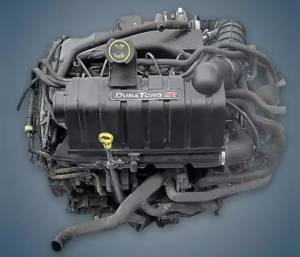
The Duratorq-DI line also includes internal combustion engines: D5BA, D6BA and FXFA.
The engine was installed on:
- Ford Transit Mk6 in 2000 – 2006.
Specifications
| Production years | 2000-2006 |
| Displacement, cc | 1998 |
| Fuel system | direct injection |
| Power output, hp | 75 |
| Torque output, Nm | 185 |
| Cylinder block | cast iron R4 |
| Block head | aluminum 16v |
| Cylinder bore, mm | 86 |
| Piston stroke, mm | 86 |
| Compression ratio | 19.0 |
| Features | no |
| Hydraulic lifters | yes |
| Timing drive | double row chain |
| Phase regulator | no |
| Turbocharging | yes |
| Recommended engine oil | 5W-30 |
| Engine oil capacity, liter | 6.4 |
| Fuel type | diesel |
| Euro standards | EURO 3 |
| Fuel consumption, L/100 km (for Ford Transit 2001) — city — highway — combined |
10.1 7.6 8.9 |
| Engine lifespan, km | ~320 000 |
Disadvantages of the D3FA engine
Continuous drops in traction occur as soon as the contamination reaches the injectors; the Bosch VP30 high pressure fuel pump dislikes fuel impurities and eventually starts to drive chips;
The camshaft beds are responsible for the relatively quick wear in this area;
The timing chain mechanism may need maintenance on runs of 100–150 thousand kilometers; loud knocking beneath the hood typically indicates a broken upper connecting rod bushing.