From 1996 to 2002, the company assembled the 1.3-liter Ford Ka 1.3 J4D gasoline engine, which was only installed on the first generation of the highly sought-after Ka model in the European market. Under its own JJB index, a less potent version of this power unit existed.
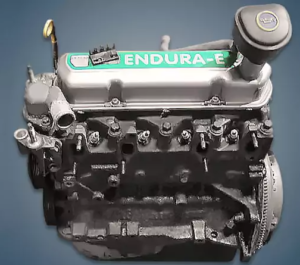
The Endura-E series also includes internal combustion engines: JJA.
The engine was installed on:
- Ford Ka Mk1 in 1996 – 2002.
Specifications
| Production years | 1996-2002 |
| Displacement, cc | 1299 |
| Fuel system | injector |
| Power output, hp | 60 |
| Torque output, Nm | 105 |
| Cylinder block | cast iron R4 |
| Block head | cast iron 8v |
| Cylinder bore, mm | 74 |
| Piston stroke, mm | 75.5 |
| Compression ratio | 9.5 |
| Features | OHV |
| Hydraulic lifters | no |
| Timing drive | chain |
| Phase regulator | no |
| Turbocharging | no |
| Recommended engine oil | 5W-30 |
| Engine oil capacity, liter | 3.25 |
| Fuel type | petrol |
| Euro standards | EURO 2/3 |
| Fuel consumption, L/100 km (for Ford Ka 2000) — city — highway — combined |
8.6 5.5 6.7 |
| Engine lifespan, km | ~230 000 |
Disadvantages of the Ford J4D engine
First of all, the cylinder-piston group’s low resource is a well-known feature of these units;
Due to oil consumption, overhauls are typically necessary on runs of 150–200 thousand kilometers;
There are no hydraulic lifters here, and the valves need to be adjusted once every 30,000 kilometers; if you ignore the sound of the valves for an extended period of time, the camshaft will soon become unusable; additionally, this motor frequently fails because one or more sensors fail.