The 2.0-liter Chevrolet X20D1 or LF3 engine was manufactured in Korea between 2006 and 2014. It was fitted to several of the company’s large models, but it is most well-known for its Epica sedans. Daewoo collaborated with Porsche engineers to develop this six-cylinder unit.
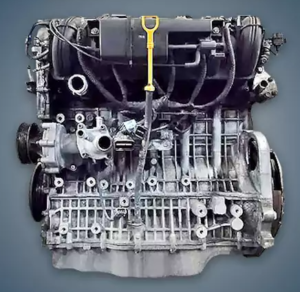
VIS is one of the engine’s features. This is the intake geometry change system, also known as the variable intake system. The intake manifold’s length was altered using a technique.
The X25D1 is another engine in the X series.
The engine was installed on:
- Chevrolet Epica V250 in 2006 – 2014;
- Daewoo Tosca V250 in 2006 – 2013.
Specifications
| Production years | 2006-2014 |
| Displacement, cc | 1993 |
| Fuel system | distributed injection |
| Power output, hp | 141 |
| Torque output, Nm | 195 |
| Cylinder block | cast iron R6 |
| Block head | aluminum 24v |
| Cylinder bore, mm | 75 |
| Piston stroke, mm | 75.2 |
| Compression ratio | 10.2 |
| Features | VIS |
| Hydraulic lifters | yes |
| Timing drive | two chains |
| Phase regulator | no |
| Turbocharging | no |
| Recommended engine oil | 5W-30 |
| Engine oil capacity, liter | 6.4 |
| Fuel type | petrol |
| Euro standards | EURO 3/4 |
| Fuel consumption, L/100 km (for Chevrolet Epica 2008) — city — highway — combined |
11.4 6.3 8.2 |
| Engine lifespan, km | ~250 000 |
Disadvantages of the X20D1 engine
The most well-known engine issue is the oil pump’s wedge, which causes the liners to turn; the catalyst has a tiny resource, the crumbs of which are drawn into the cylinders;
The cooling system is thought to be the motor’s weak point; pipes flow, the tank bursts; the engine crankcase cracks easily, for example, if the drain plug is overtightened; valve seals and stuck piston rings are also causes of the oil burner;
While timing chains operate for a considerable amount of time, the hydraulic tensioner may fail much sooner;
Oil pressure sensors and hydraulic lifters are not well known for their exceptional durability.