The N20B16 petrol 4-cylinder turbo engine has been produced since 2013. This engine is installed on BMW 3- and 5-series cars with the 20i index for the Turkish, Greek and Vietnamese markets.
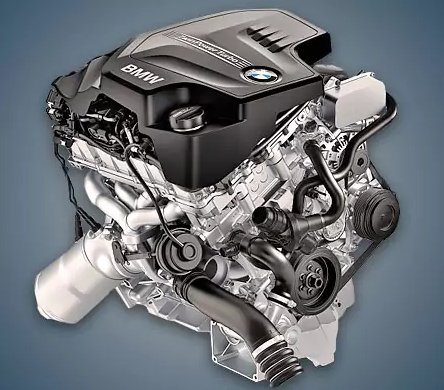
The engine was installed on:
- BMW F10 520i in 2013 – 2016;
- BMW G30 520i since 2017;
- BMW G20 320i since 2018.
Specifications
| Production years | since 2013 |
| Displacement, cc | 1598 |
| Fuel system | direct injection |
| Power output, hp | 143 – 170 |
| Torque output, Nm | 220 – 250 |
| Cylinder block | aluminum R4 |
| Block head | aluminum 16v |
| Cylinder bore, mm | 84 |
| Piston stroke, mm | 72.1 |
| Compression ratio | 9.0 |
| Features | Valvetronic III |
| Hydraulic lifters | yes |
| Timing drive | chain |
| Phase regulator | double VANOS |
| Turbocharging | twin-scroll |
| Recommended engine oil | 5W-30 |
| Engine oil capacity, liter | 5.0 |
| Fuel type | petrol |
| Euro standards | EURO 5/6 |
| Fuel consumption, L/100 km (for BMW 320i 2012) — city — highway — combined |
8.2 4.9 6.1 |
| Engine lifespan, km | ~200 000 |
Disadvantages of the N20B16 engine
- Due to the insufficient performance of the oil pump, these motors often wedge;
- The cause of engine jamming is most often the loss of elasticity of the oil pump circuit;
- The plastic cup of the oil filter with the heat exchanger cracks and leaks here;
- Fuel injectors quickly become covered with dirt, and then strong vibrations appear;
- The flow meter, the idle control valve are famous for their not very high resource.